Anne-Kathrin Dern is an award-winning film and game composer known for her beautiful orchestral writing, and collaborations with top studios around the world. Based in Los Angeles, she has scored a wide range of projects including The Claus Family trilogy on Netflix, the animated feature Fearless, and VR Game of the Year Metro: Awakening.
Composition is our instrument. Practice it!
It has become a running gag on my YouTube channel for me to say “Go practice!” at the end of each video. But it’s really only half a joke. Many of my audience members mistake watching educational videos for having acquired a skill. In reality, taking classes, reading, or watching videos is not equal to doing the work. Otherwise we’d all be expert chefs by simply watching a cooking show. There is incredible value to be had from watching a professional on the job. But knowing how something is done in theory does not equate knowing how to do it in practice. Muscle memory needs to be acquired. Ears need to be developed. Taste needs to be refined. Experience needs to be gained.
The best way for me to think about this is to treat composition the same way musicians treat their instrument. Composition is our instrument. We have to practice it just as much as any other musical instrument. If you do not practice your craft, it slowly dies. Knowledge and skills that remain unutilised will slowly fade, no matter your level of excellence in them.
Case in point:
I sometimes have a hard time speaking in my native language, despite having used it daily for the first 20 years of my life. I have used it so little for the past 18 years, that I have to focus as if I’m speaking a foreign language, and even then I’m missing a lot of words and phrases these days.
If your native language skills can fade over time, any skills can. Would you get in the car with someone behind the wheel who hasn’t driven in years? Would you trust someone with your project (and business) if they have not done the work in years? Especially in a line of work where trust is one of the most important factors when hiring?
We expect filmmakers, video game developers, and other composers to put their faith in us. The least we can do is practice our craft regularly to earn that faith.
Busy-work: The friend of procrastination and the enemy of actual productivity
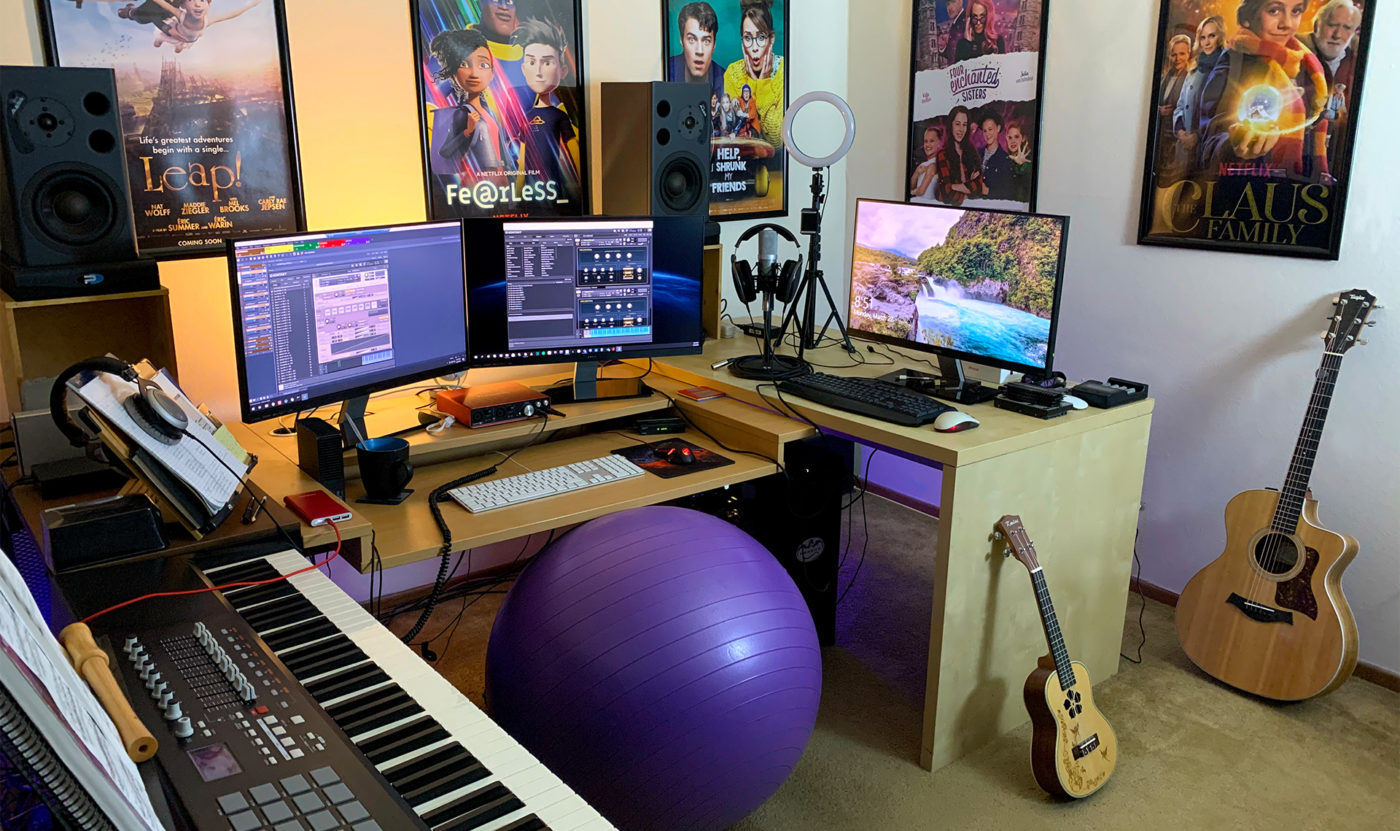
We’ve all been there. Building templates for weeks on end. Making business plans for hours. Watching educational videos. Taking classes. Reading books. Setting up your workspace. Upgrading your computer. Making endless elaborate to-do lists in productivity apps.
All of these things have their place of course. But too often they are used to seem productive while not in fact producing anything at all. At conservatory, we called this avoiding activities. It’s when you decide to clean your entire apartment instead of doing the more pressing task. We do something that needs to be done eventually while actively avoiding the more difficult thing we ought to do. It’s a form of procrastination that allows us to feel good about ourselves because we did something useful instead of being lazy. I’m guilty of this myself. Right this moment, I’m supposed to finish a piece for a video game meeting tomorrow morning. My DAW is ready to go in the background but instead I’m typing up this blog - which is in no way urgent. None of us are immune to the tricks our minds play on us when we need to do difficult things. The best we can do is be aware of what we’re doing and actively work against it (as I will right now, be right back, I have music to write…).
Consistency is key
As with anything in life, consistency over long periods of time is where success lies. Whether you want to be healthier, become better at a skill, nurture relationships -consistently showing up and doing the work will get you there. Some days you’ll achieve a lot, other days very little. But it is the sum of your effort that matters in the end. The same applies to our careers. It’s usually not that one project or that one connection that makes or breaks your career. It’s the entirety of your network and your body of work that defines it.
What should we practice and how?
The first step is to figure out where your skillset is lacking the most. Then focus on improving that area while also occasionally honing the skills you’re already comfortable with. One thing I always recommend is splitting out practice areas into their own building blocks, even though there’s a lot of overlap between them. This helps focusing on the actual task without being distracted by adjacent tasks.
For example: If you want to focus on learning orchestration, I would only focus on orchestration. Too often I see students try to practice orchestration with a piece they’re composing and arranging in the moment, while also wrestling with the mockup and the mixing side of things. If you haven’t mastered any of these areas, how will you know if the problem lies in the orchestration?
Maybe the orchestration is actually fine and the problem is in the composition itself or in the voice leading. Maybe it’s the mockup or the mix that are lacking, not the orchestration. So in order to rule out these scenarios, I have always isolated the different skills when practicing.
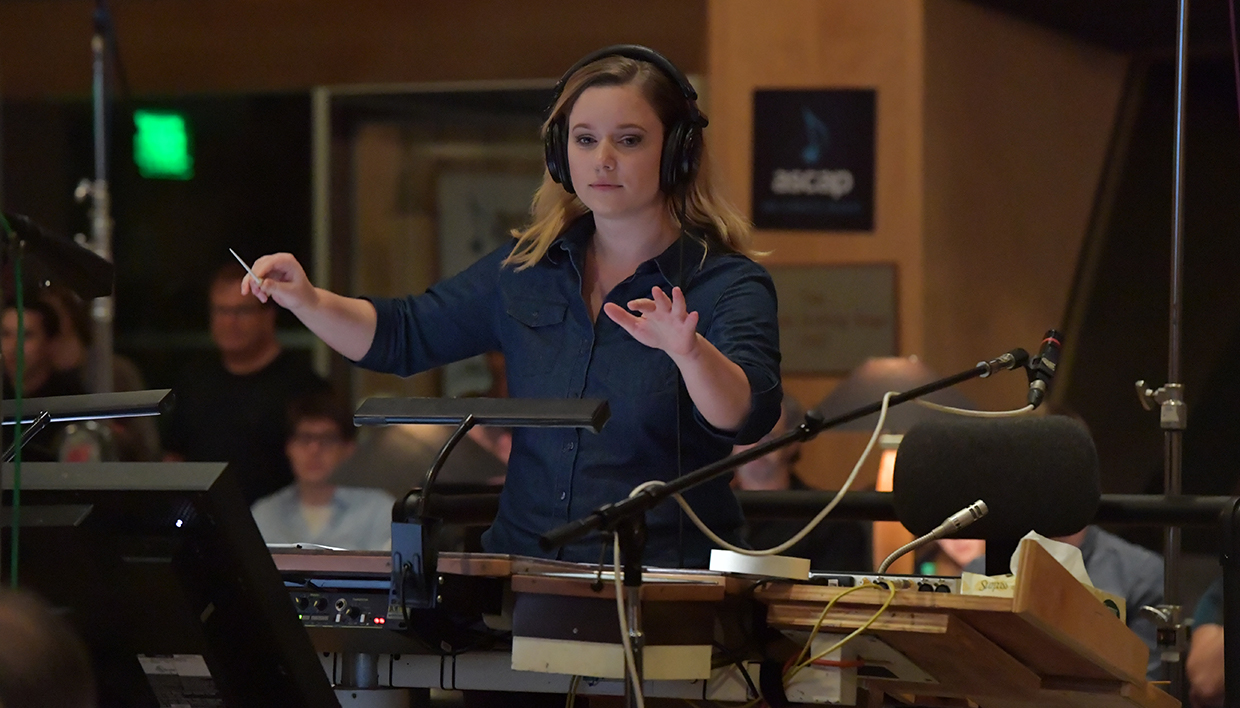
Here are some examples of what we can practice:
1. Composition And General Music Theory: I always found it helpful to practice composition and music theory with only one instrument (in my case piano) or a very small ensemble. This lets you truly focus on the essence of the piece - melody, harmony, rhythm, voice leading, phrasing, etc. - without already thinking about instrumentation or the mockup.
2. Orchestration And Arranging: This part I always found most useful to practice with already existing pieces. During our advanced orchestration classes at UCLA, I probably encountered the most efficient exercise. Every student picked a piece of paper with a random melody (+ chords) out of a bowl. Then you were matched with a specific passage from another piece which would be your orchestration blueprint. For example, you could have picked the piano reduction of the main theme from “E.T.”, and then be instructed to arrange and orchestrate it like a designated passage from Brahms’ third symphony. At the end you compare your result to the blueprint and see if you’ve achieved a similar sound. This takes everything else out of the equation (plus you automatically also get into score analysis AND it’s also a lot of fun!).
3. Mockups: This part is also often best practiced with existing pieces. That way you know the problem doesn’t lie in the composition or orchestration if it doesn’t sound right. You can pick any piece, download the score, and get to work. Perhaps find a recording you truly like and try to match the performance so you get a better feel for the instruments. This will also teach you which libraries work best for what kinds of passages or writing styles, and it will force you to find workarounds for sample weaknesses. Some film composers have also made their MIDI files / DAW sessions available for download which can be an excellent way to practice as well. The point of this exercise is that you have an audio reference of what it SHOULD sound like. When you A/B your mockup against the recording, you will ideally immediately hear differences in the balance or performance so you can correct it and learn.
4. Mixing: One thing I do to this day is book a few hours with score mixers I admire, bring stems of a piece, and then watch them mix it while explaining what they’re doing (and WHY they’re doing it). Then I go back to my studio with their mix and refine my template while testing out my new knowledge - to see if I can achieve the same result as they did (or at least come close). Learning mixing techniques and critical listening takes time and a lot of ear training. Once again, the best way to go about it is to take someone’s audio stems and their final mix, then try to match it as closely as possible. That way you don’t think about going back into the composition and orchestration to change things retroactively. The mixing exercise should be about working with what you got.
5. Scoring To A Brief: This is something teachers can help with a lot but you could also ask anyone else if they could give you a past real life brief they had to compose to, along with what they submitted. The first composer studio I worked at had incredibly talented composers who would not only let me learn production from them but who would let me do their real life briefs as “practice briefs”. I’d come in during weekends or stay after hours to practice with the material they had received from a client. Once I was done, they’d show me what they had submitted and what was approved so I could compare (and realise how far behind I still was in so many areas).
6. Scoring To Picture: Thankfully, there are plenty of film scenes without music to be found online these days. You can use any of these to practice and compare your result with what actually ended up in the production. This will not only teach you timing, pacing, storytelling, and stylistic choices, but also how to work under dialogue and sound effects. Another important thing is to analyse existing film scores within the context of movies and TV shows. Recognising thematic and stylistic work, figuring out how other composers tell a musical story over many hours of screen time, what specific choices were made to convey subtext or emotions, what pacing was chosen when, what particular moment or line in a conversation was picked to mark a change in the scene, when does the music allow itself to go big, when does it go quiet, when does it vanish entirely. Analyse the choices that were made by the creatives in charge and try to figure out the WHY behind it all.
Don’t Forget Your Soft Skills
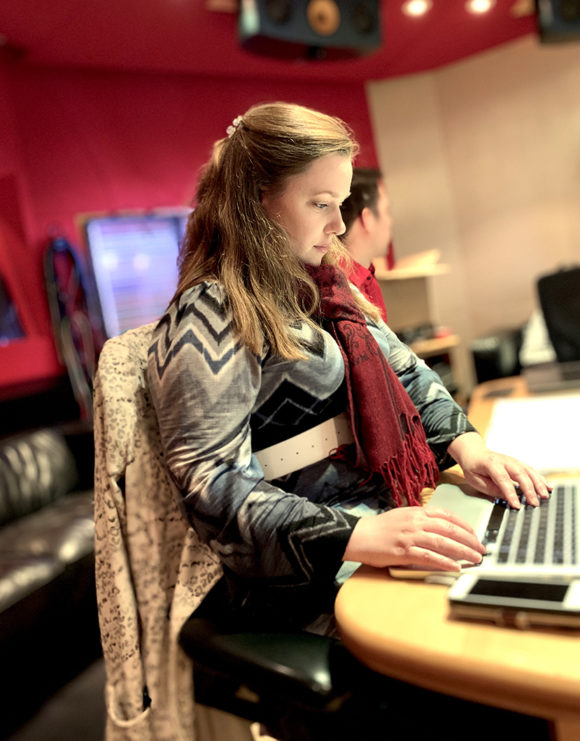
Lastly, while you work on your music and production skills, don’t forget to practice your soft skills as well. Media scoring is a team sport for the most part. I’m an introvert myself and love long periods of solitude but it does kill your social skills over time. Practice them like any other skill. All the magnificent compositions in the world will do you no good if you fail at holding a basic conversation.
Try to be self-aware. What impression do you leave behind upon first meeting you? How do you present yourself? Do you ask enough questions? Do you regularly follow up with people? It’s hard to know sometimes how others perceive you but one easy way to find out is to film yourself and watch it back. You’d be surprised how differently you think you come across. This is one of the blessings of being active on social media and YouTube: The more you film and edit yourself, the more aware you are of how others see you.
At the end of the day, this job is based on collaboration with people so we all need to get comfortable with attending meetings, events, doing PR, and all the other social obligations that come with it. The more you expose yourself to such things, the less daunting they will be after a while - and with practice comes experience and confidence, even in soft skills.
At this point, I would normally also talk about business skills. But since the skills and knowledge required for that area vary strongly by location, I’ll just leave you with this: Media composers are entrepreneurs and as such it is our obligation to familiarise ourselves with things like different business entities, tax structures, legal requirements, banking and accounting, marketing, and anything else that is related to the logistics of running a business that is selling a service.
I hope this rather long read was helpful to some of you. Now go practice!
ABOUT THE AUTHOR